
India and its colour-coded cities
Jodhpur and Jaipur are known as the blue and the pink cities, for very different and intriguing reasons. For yet another reason Agra is the white city - even if no-one calls it that

We were circumnavigating Rajasthan and arrived at Jodhpur, a fine city with the usual wandering inhabitants.
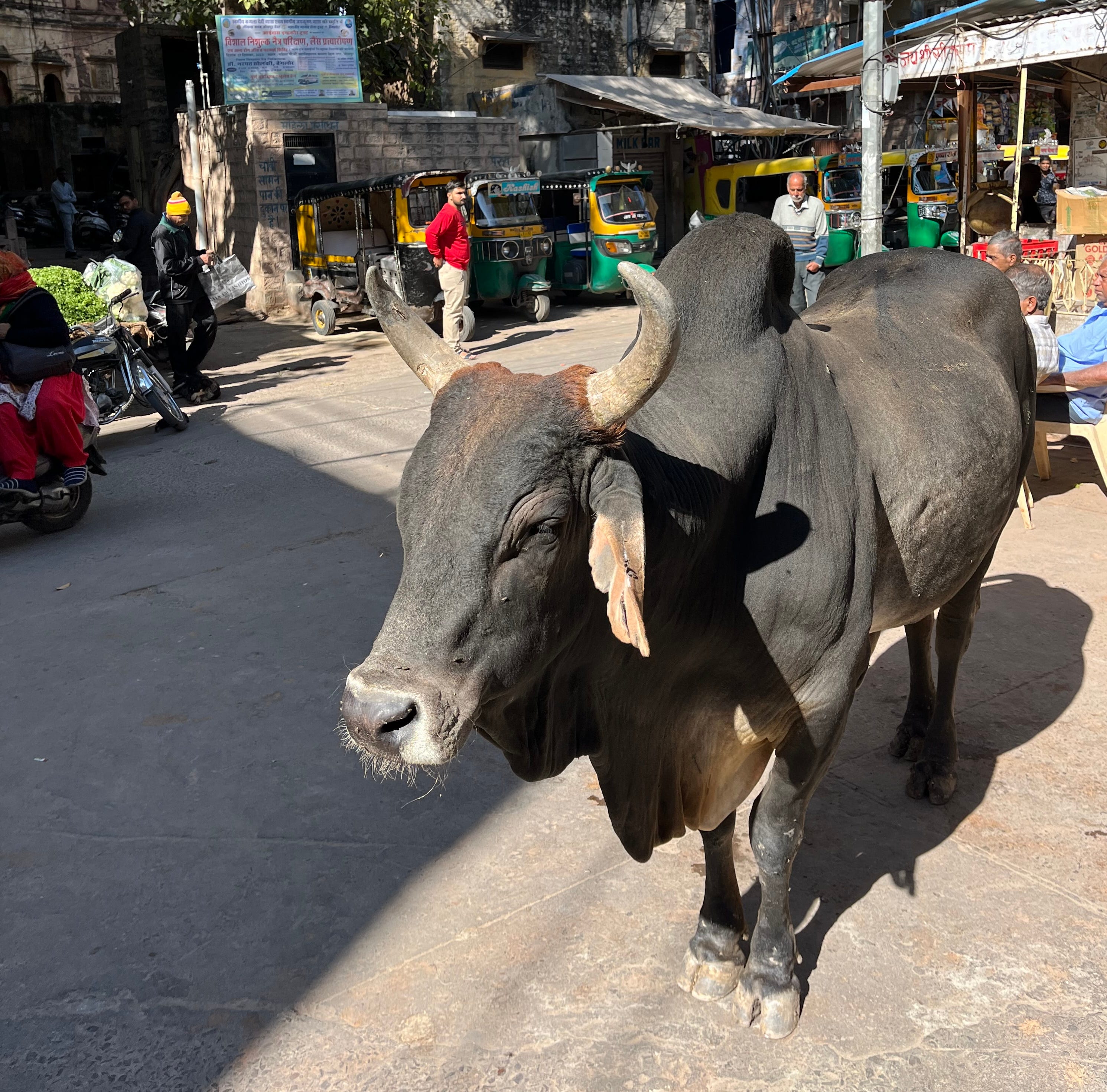
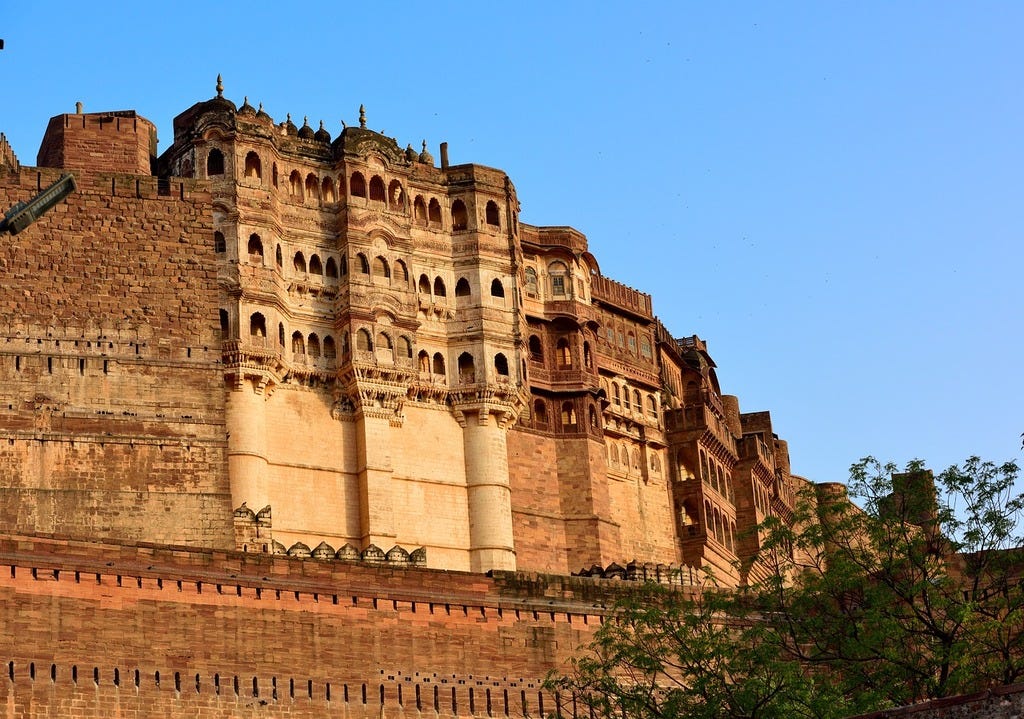
But travelling to the hotel I was rather disappointed not to see any blue – for I had read that Jodhpur is the Blue City. Here is the Mehrangarh Fort looming over the city. Spectacular yes, but not blue.
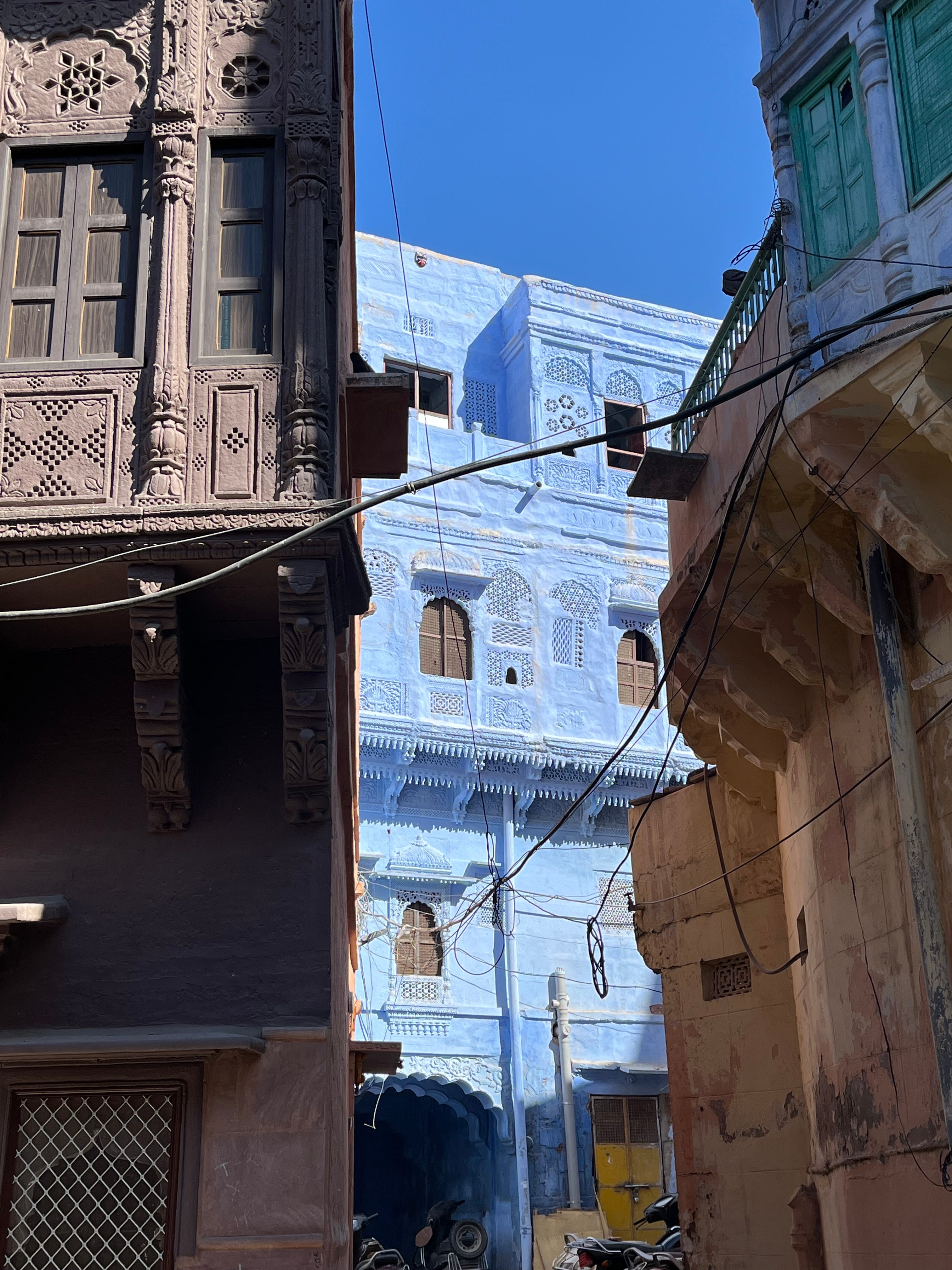
I didn’t fret for long though. Our Jeeves-cool driver Bharat dropped us by the busy market. We walked though it and on towards the fort. That took us into the district of Brahmapuri, and here all my disappointments were shredded. It is blue – very blue.
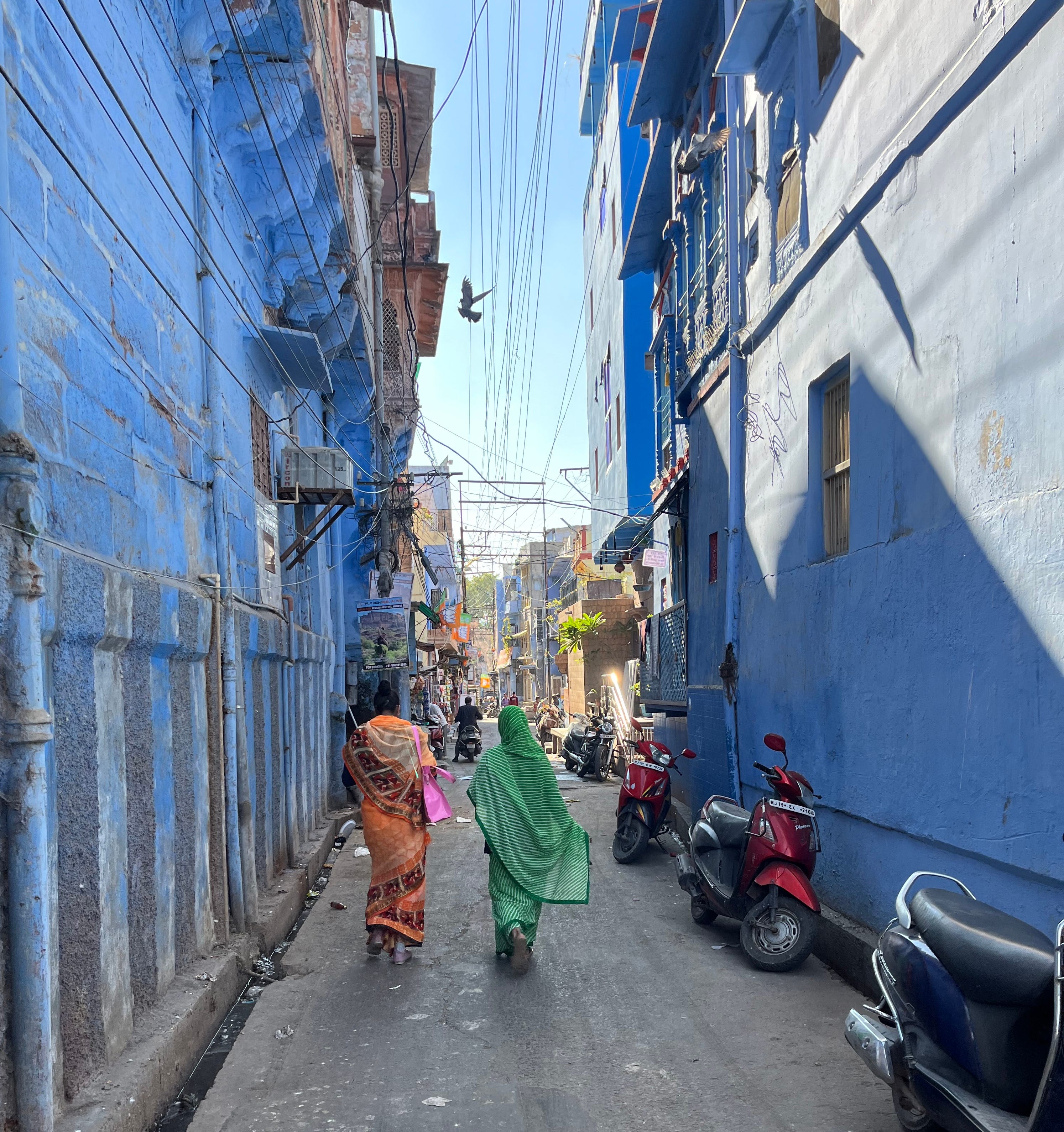
We loved it – it’s so calming. And that is maybe what the high caste priests thought when they decided to repaint their neighbourhood – Brahmapuri, or town of the Brahmins - in the seventeenth century. According to the BBC they chose blue ‘as a symbol of their sociocultural piety in the Hindu caste system’. There were practical reasons too. There was plenty of indigo growing round about, to provide the dye. When that was mixed with limestone plaster, it also turned out to be a good way of keeping houses cool. In a fierce Rajasthan summer, most helpful. Better yet, mixing in some bright blue copper sulphate helped keep insects away. What was not to like?
Yet it sems that the blueness has been fading. First indigo went out of fashion because it was bad for the soil – its price rose, and so did the cost of blue paint. Then air conditioning arrived, and there were better ways of keeping houses cool.
But there has recently been a fightback led, the BBC says, by a garment seller called Deepak Soni. He has persuaded nearly 3,000 people to go back to blue. He believes, I’m sure correctly, that if Jodhpur wants to keep its attraction to visitors, it must hang on to its colourful selling point. It’s certainly not a lost cause: about the half the house in Brahmapuri are still blue. Let’s hope they stay like that.
Bharat whooshed us, via Udaipur, to Jaipur. Which is the Pink City. This was obvious as we drove though it – a general feeling of pinkness washed over the buildings. Here is the most famous, the Hawa Mahal or Palace of the Winds: its 953 windows allowed royal women to watch street festivals without being watched back.
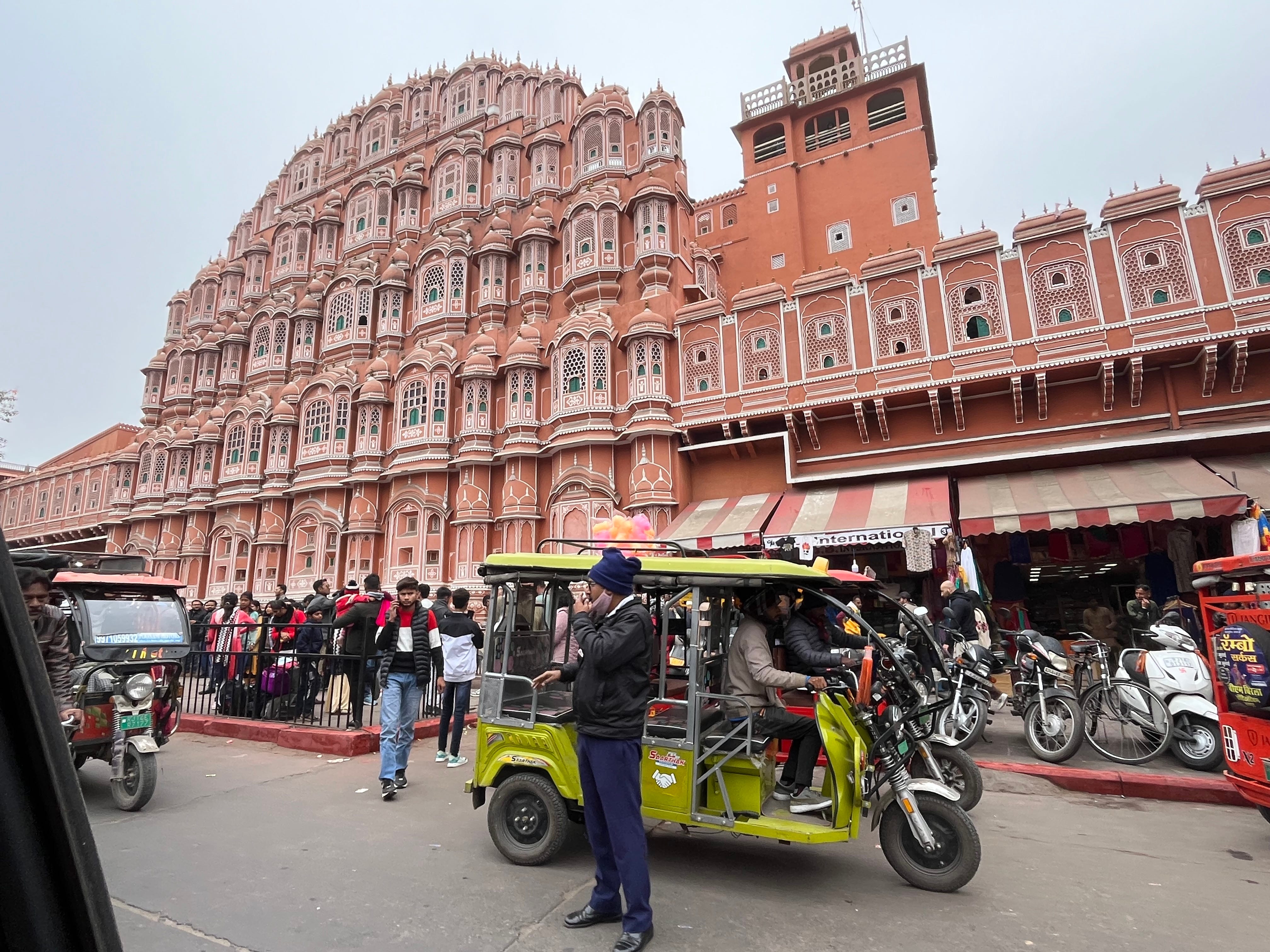
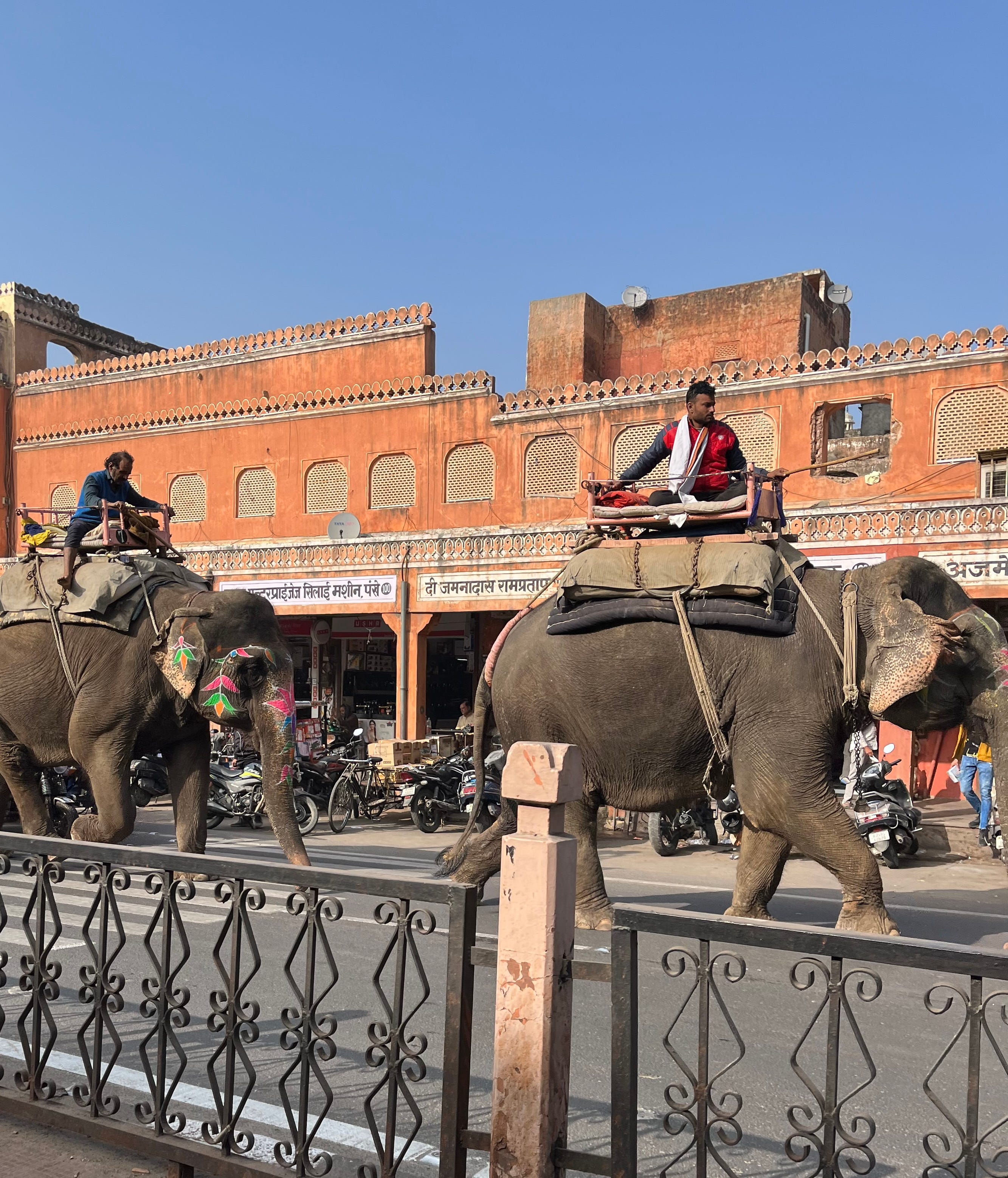
Hawa Mahal was built in 1799, and it was chance rather than planning that made it pinkish. The official pink phase did not start until 1876. That was when the oldest son of the Queen Empress, Prince Albert – later Edward VII- was due to visit. The Maharaja, Sawai Ram Singh, ordered the entire city to be painted pink to welcome him. Apparently it symbolised hospitality, and the prince was so pleased that he came up with the nickname ‘pink city’. The maharaja then passed a law to keep the buildings pink – and they still are, mostly. Though I have to say Jaipur doesn’t feel as pink as Brahmapuri feels blue – maybe there are too many non-pink things around, like elephants.
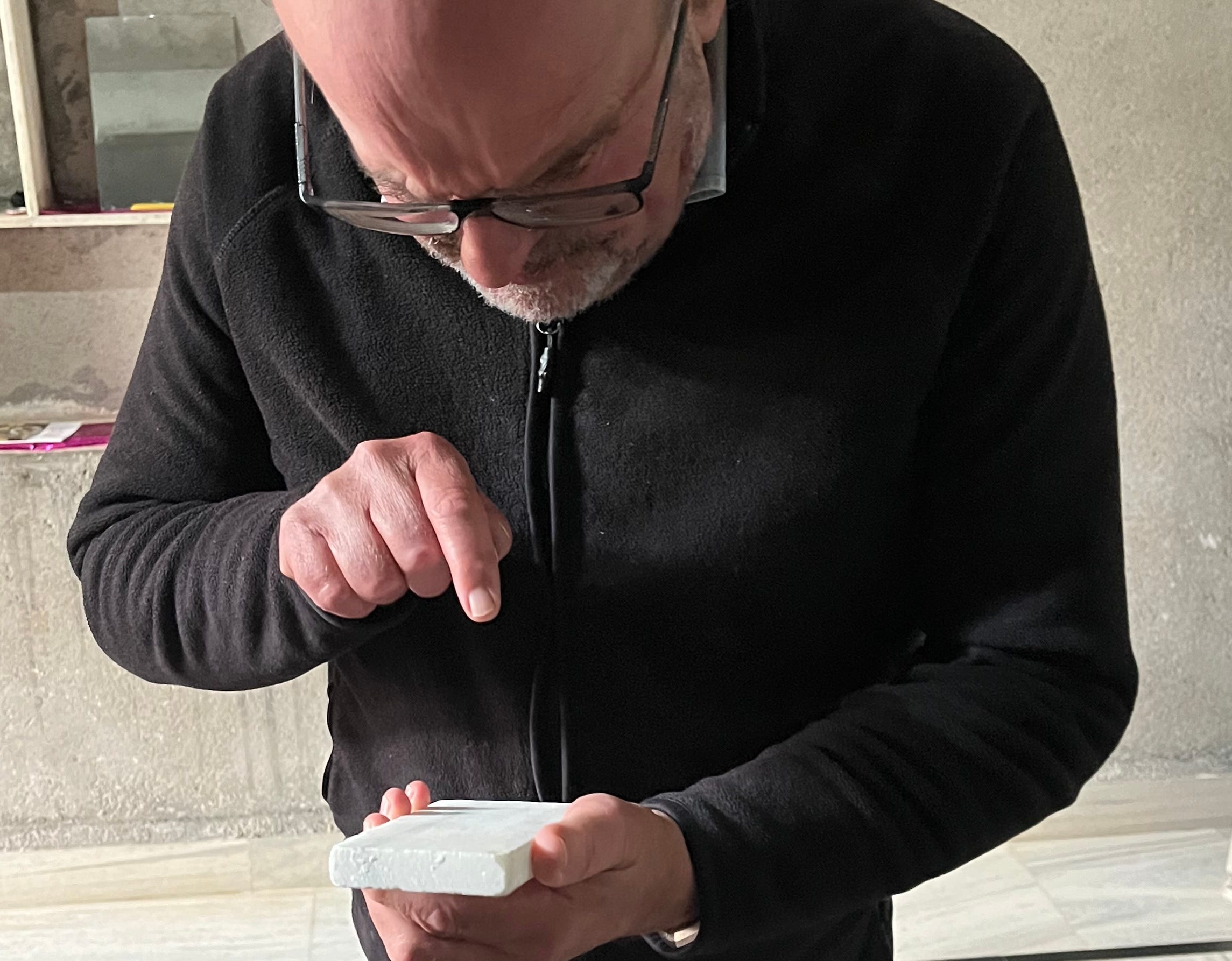
Bharat took us to visit his family in a house he had built during Covid on the outskirts of Jaipur. It features a different colour and a material rare, I’d guess, in self-builds: Makrana marble. If Carrara is the marble of Europe, Makrana is the marble of India. The quarries are west of Jaipur, and Bharat was able to buy what he needed. He gave me a bit which, you will agree, is the first marble mobile phone.
That was our introduction to whiteness. He then drove us east to its real home. Agra is not called the White City – because it mainly isn’t - but it’s most famous building certainly is.
I’ll get to the Taj Mahal, but first I want to have a very quick ramble through Mughal architecture. Let’s go back to the start of our trip, to Delhi. Here we were shown the tomb of Humayun, son of the founder of the Mughal empire, Babur. The Mughals were great builders, always trying new things out, and this tomb was the first to be built in red sandstone. It was also the precursor, you will see, of its famous descendant in Agra.
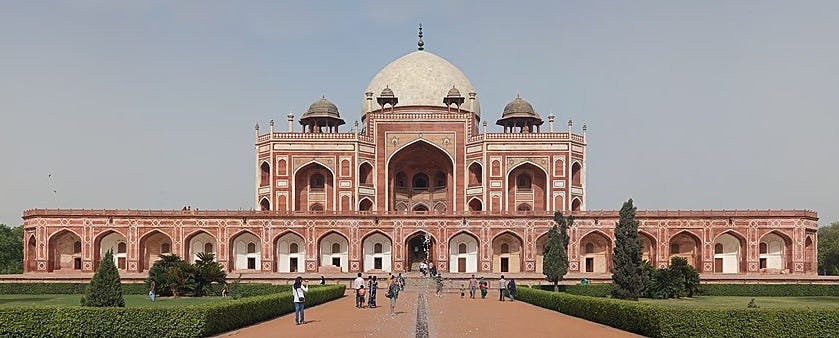
Photo: Muhammad Mahdi Karim
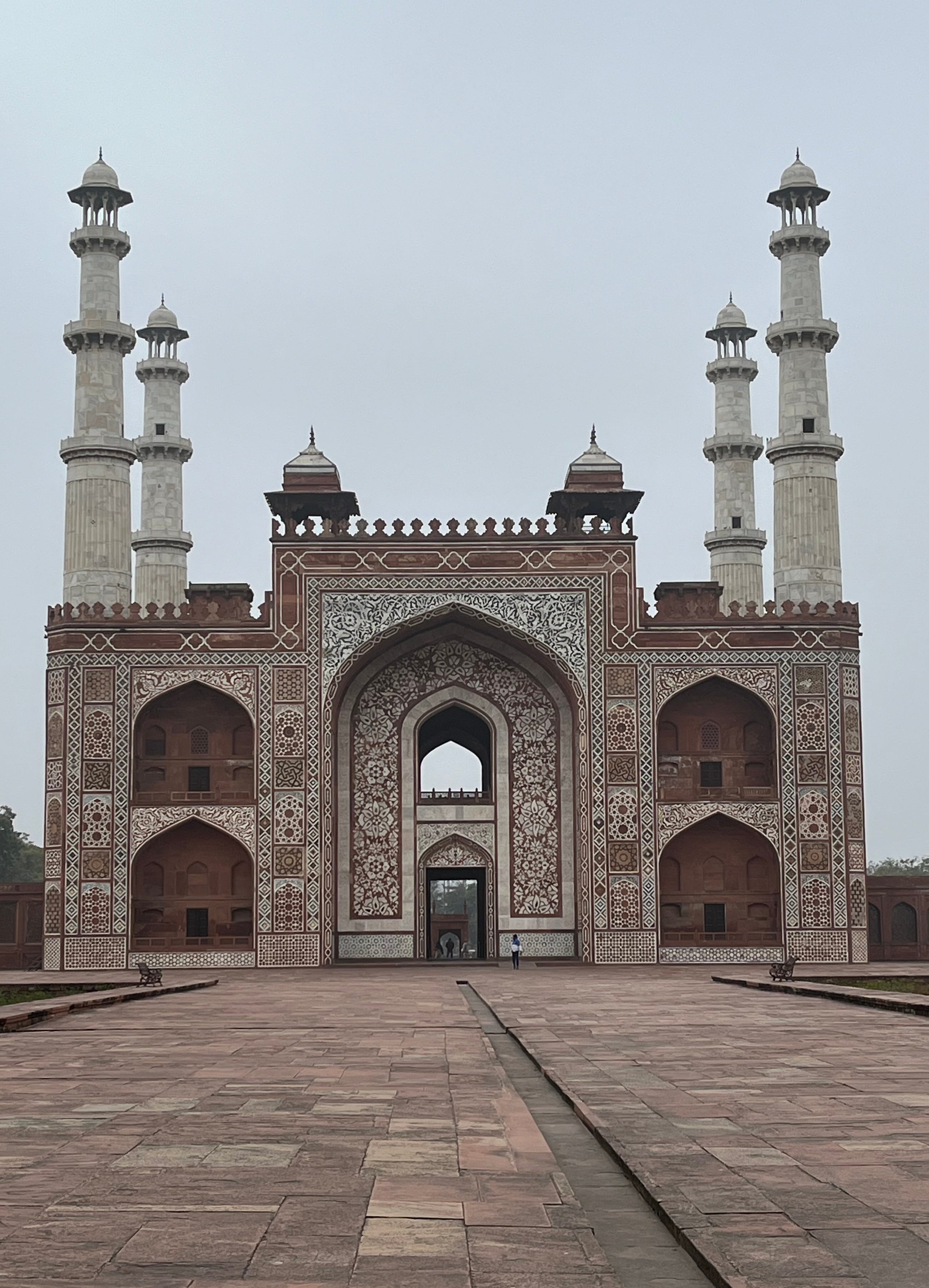
But I’m still not at the Taj. First we went to Sikandra, on the outskirts of Agra, to visit Akbar’s tomb. Akbar was Humayun’s son and the greatest of the Moghul emperors. His tomb is mainly red sandstone, but has white marble decorations.
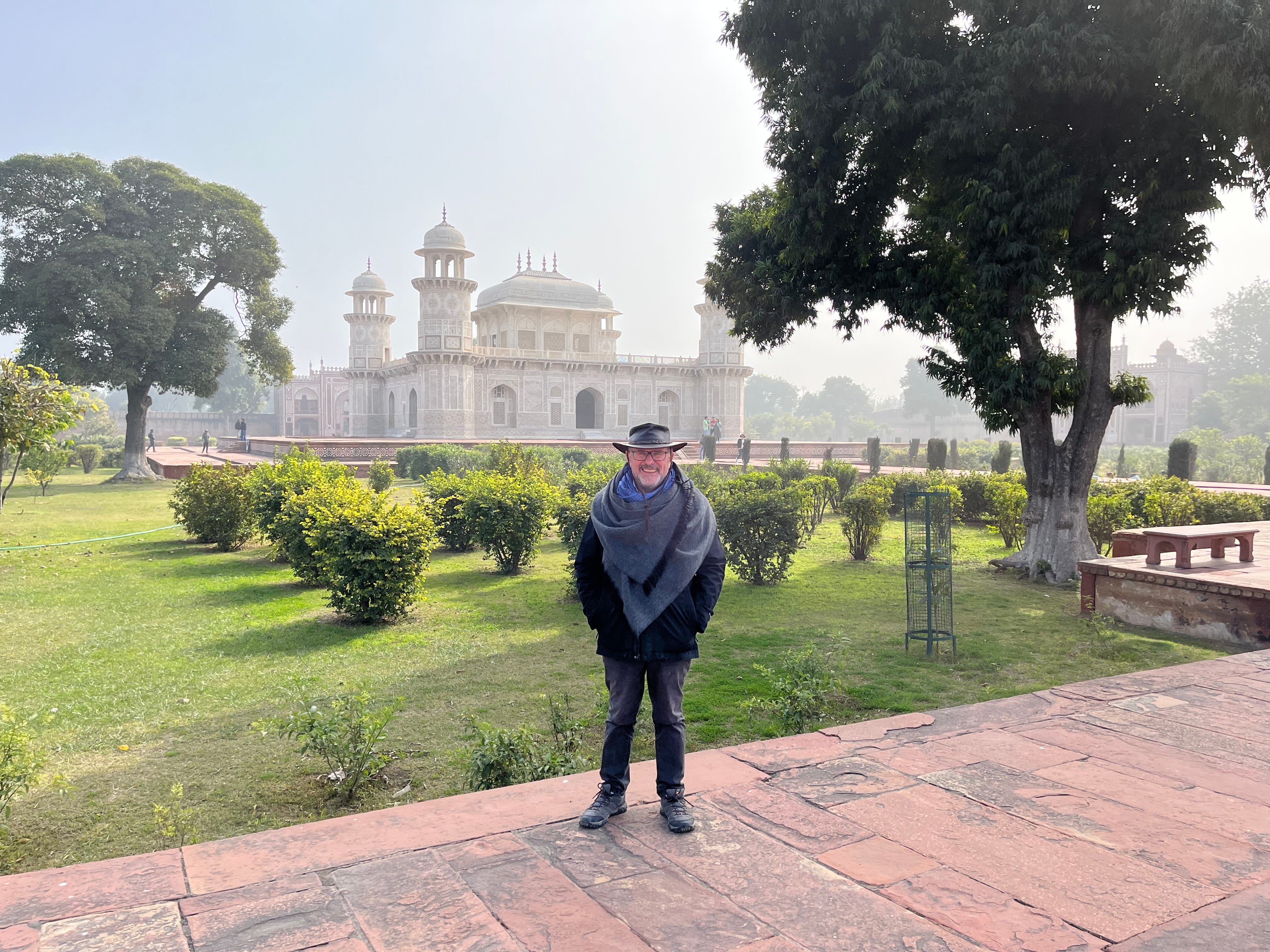
Things were getting whiter, but we needed to go into Agra to find the first full Makrana marble building: I’timād-ud-Daulah, which has inevitably been nicknamed the Baby Taj. It’s a mausoleum commissioned by Nur Jahan, the wife of the emperor Jahangir, for her father Mirzā Ghiyās Beg. It’s serenely beautiful.
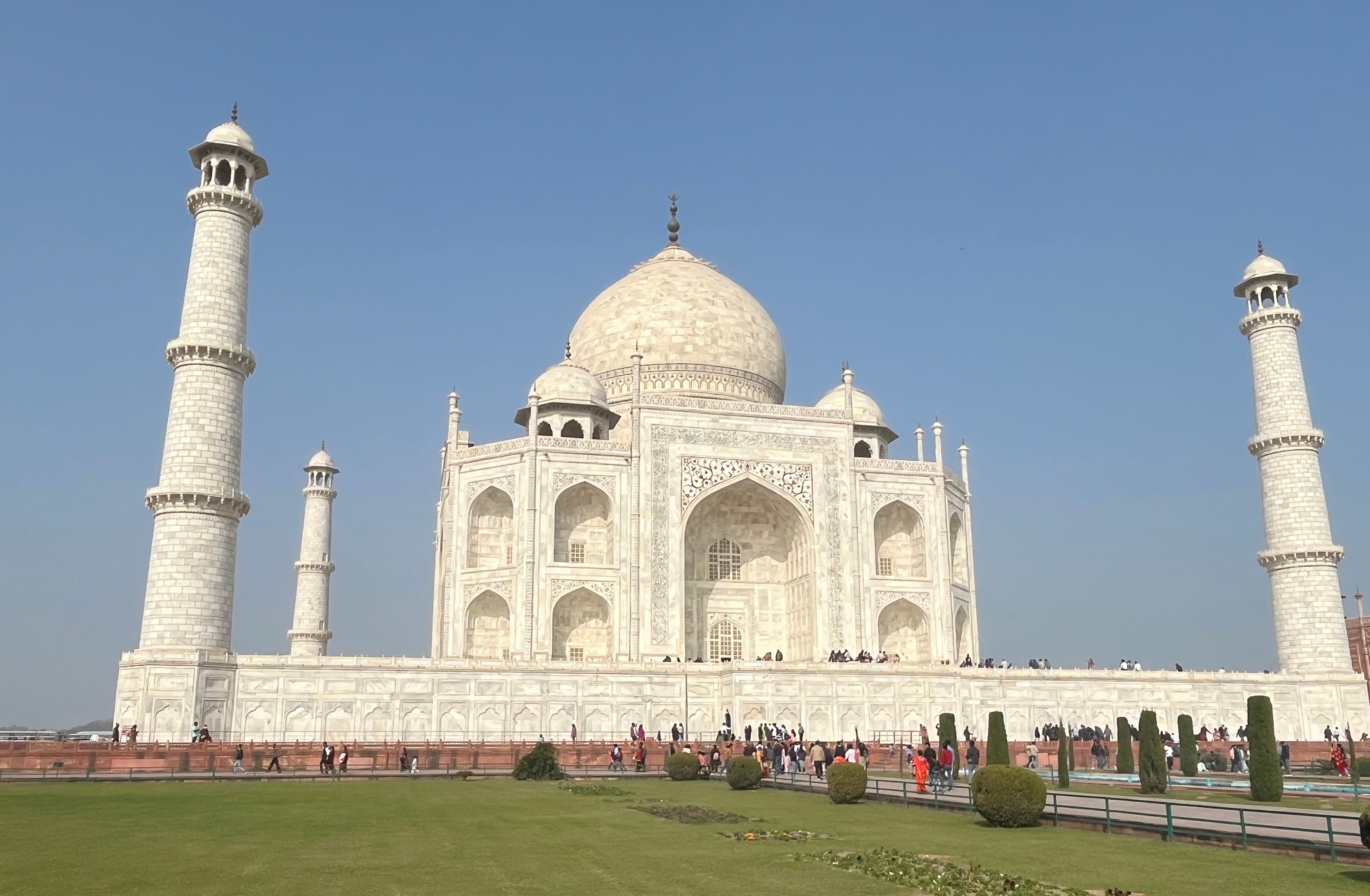
But not as beautiful as the real thing: the Taj Mahal, built as mausoleum for Mirzā Ghiyās Beg’s granddaughter, Mumtāz Mahāl, by her adoring husband, the emperor Shah Jahan.
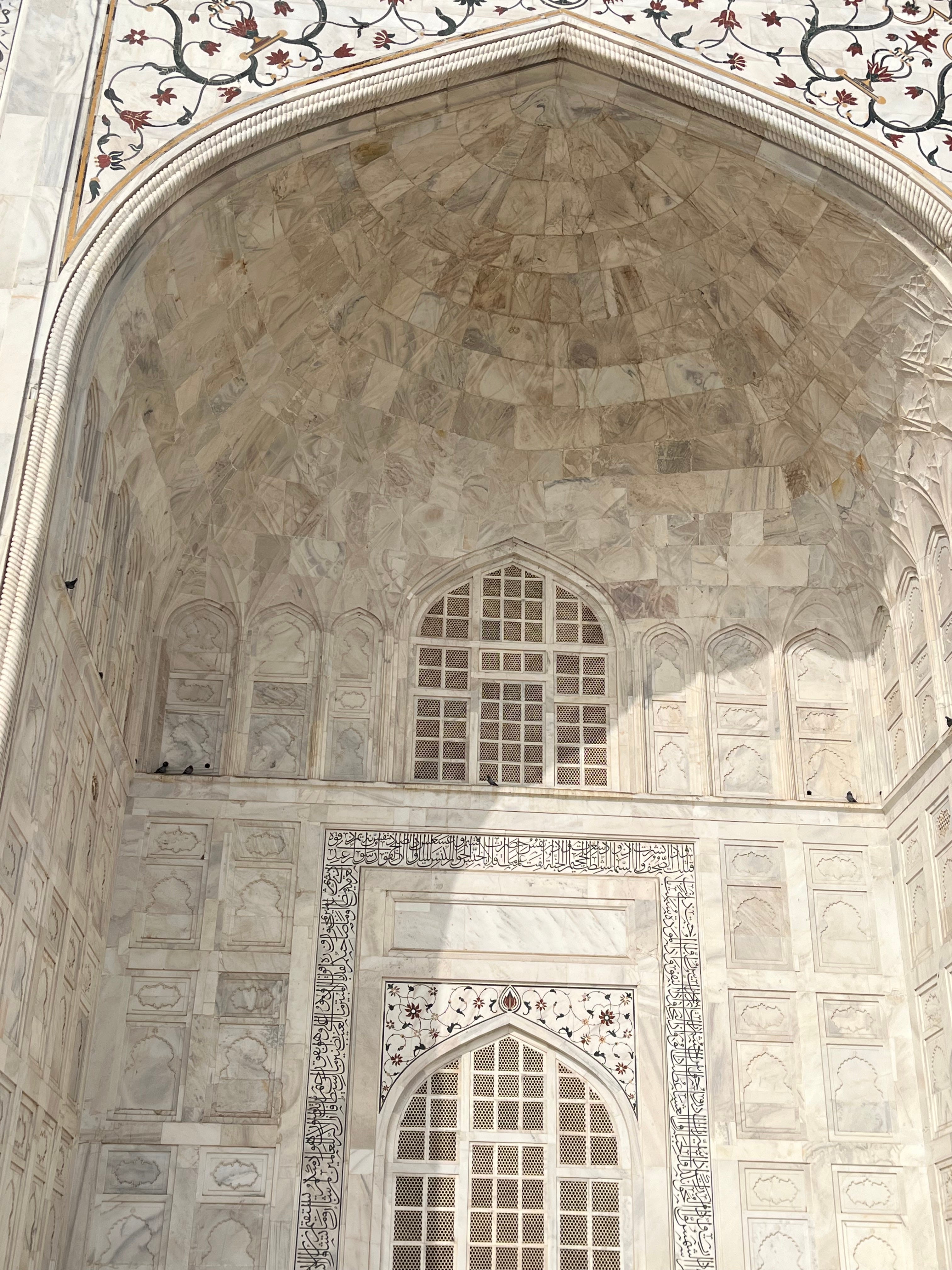
It’s a terrible cliché, but when I first saw the Taj I found something strange had happened to my breath: it had been taken away. Some celebrated places are a disappointment when you finally get to see them. Not the Taj Mahal. It’s the symmetry and, of course the whiteness. Stunning. Go up close and see the detail.
Then stand back and you get the full Princess Diana. Perfection, in white.
My other post on India: The crumbling elegance of the mural capital of the world
I’m putting more comments and bits and pieces up through the week, but you can see them only if you use the Substack app. You can find it here if you want it.